I recently reviewed an English Mother’s Day email campaign scheduled for May in the UK. The problem? In the UK, we celebrate Mother’s Day in March.
No one on the team had noticed this because the campaign had been created and approved centrally in Germany before being rolled out internationally in English.
Sending a Mother’s Day email in May would immediately signal that the campaign wasn’t designed for a UK audience. And this is just one example of what can go wrong when you're expanding to the UK.
🇬🇧 The UK market isn’t as easy as it looks 🔗
The UK market is a logical expansion step for SaaS and ecommerce companies in Europe. It’s a popular choice as the first English-speaking market because it’s operationally close enough to feel low risk, but still big enough to test international growth before entering the US. As a result, it’s often treated as a “safe” expansion step.
But geographical proximity doesn’t guarantee cultural or behavioural similarities. And while British consumers are happy to make cross-border purchases, research shows that 52% of EU-5 consumers (France, Germany, Italy, Spain, UK) say that whether a company is locally owned impacts their purchasing decision. UK consumers may buy internationally, but companies still need to prove they understand their expectations.

More than language or logistics, the challenge is consistency across the customer experience. With five years’ experience in ecommerce localization, I’ve found that this is what often undermines trust when companies expand into the UK.
But how can you build trust with your British audience using localization?
🧭 Create a CX that feels local from start to finish 🔗
One of the biggest problems I deal with daily is maintaining vocabulary consistency across product catalogues and customer communications. We localize the German word Gürteltasche as “bumbag” on our UK website because it’s what UK users search for. If some products use the American term “fanny pack” instead, inconsistencies appear which impact search visibility and product discoverability.
A Salesforce study found that UK and Irish consumers have high expectations when it comes to coherence across touchpoints, products, and services
However, search terminology is only one part of good UK localization. Language, messaging, and visuals all influence whether a product feels local to customers. These small localization discrepancies across your customer journey quickly affect how customers perceive your brand. The solution usually involves style guides, glossaries, translation memories, and contextual prompts to keep terminology consistent throughout the customer journey and account for local differences like the ones below.
Use British English for the UK market 🔗
US English is often a built-in default in SaaS products, so companies assume that they don’t need to localize too much because the product is already in English. And while a single issue can be overlooked, repeated issues across the entire experience can create distance between the user and your product.
The typical British English vs American English divide trips up otherwise well-localized products when applied just at the level of spelling and formatting.
Expanding into the UK market involves adapting the language and user interface at a detailed level. In fact, research suggests that British consumers tend to prefer British over American English, which makes localization choices around language more noticeable than companies expect. This typically includes spelling differences (colour, customise, postcode), as well as local formats for currency (GBP) and dates (DD/MM/YYYY), commonly grouped together under the en-GB locale in software localization.
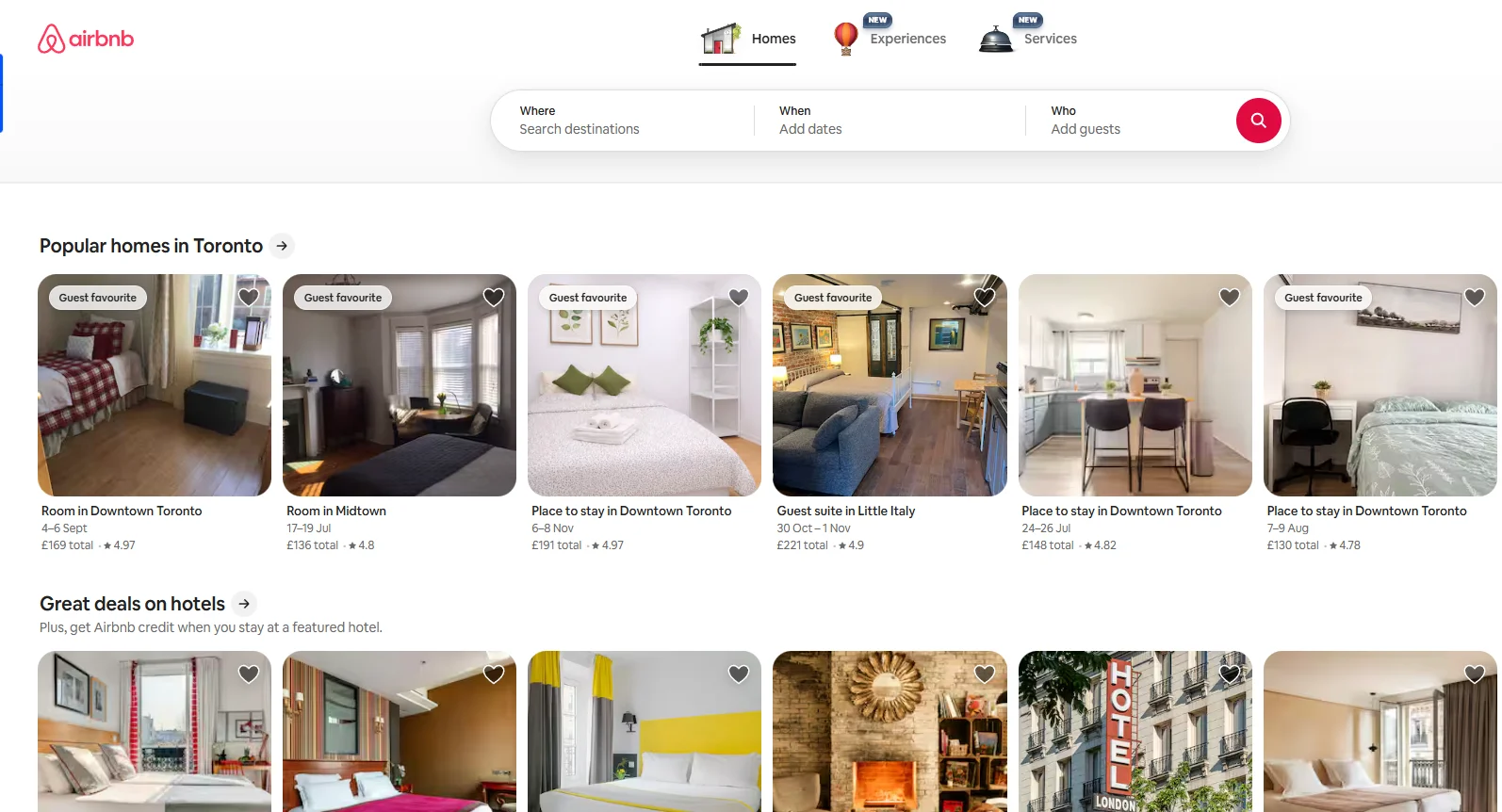
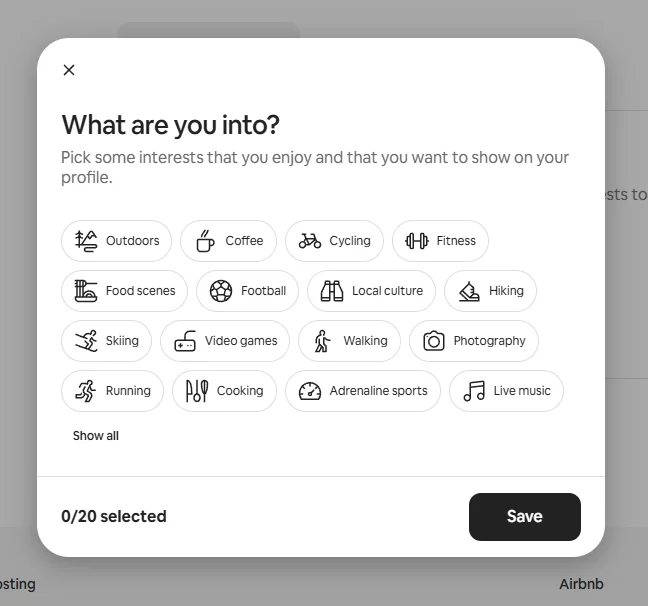
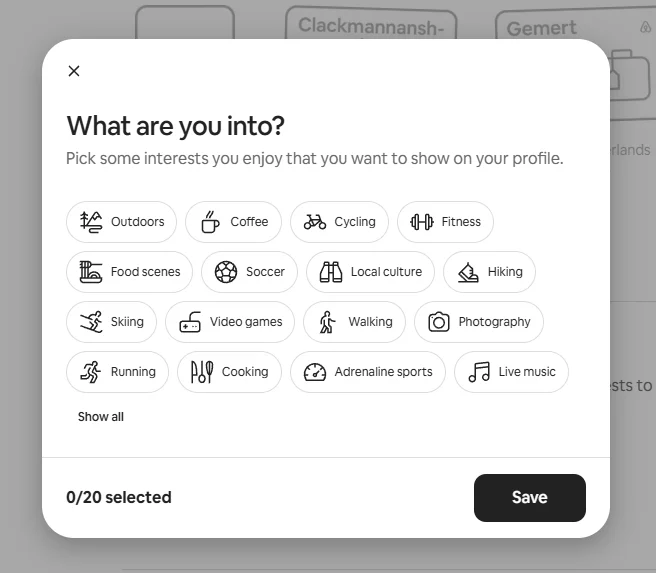
Airbnb, the US-based online holiday rental platform, has successfully localized its UK experience by differentiating its UK interface from the US version. They localize pricing and use British spelling and terminology throughtout to get British English localization right. For example: when selecting your interests from the platform’s predefined list, UK football fans and US soccer fans see the same symbol but different terms depending on their country. This small change removes friction by using the language customers naturally expect.
British consumers want proof 🔗
In the UK, messaging that feels overly enthusiastic, exaggerated, or pushy can undermine trust. British audiences often respond well to restrained, evidence-led communication. They tend to prefer clear, confident communication that is witty, direct, and based on understanding. Steering clear of phrases like “game-changing” or “revolutionary” will improve credibility with your British audience. Use strong proof, relevant case studies, transparent pricing, and practical value to build confidence with your customers.
Excessive enthusiasm or pushy marketing can drive British audiences away from your product. They prefer strong proof, transparent pricing and practical value
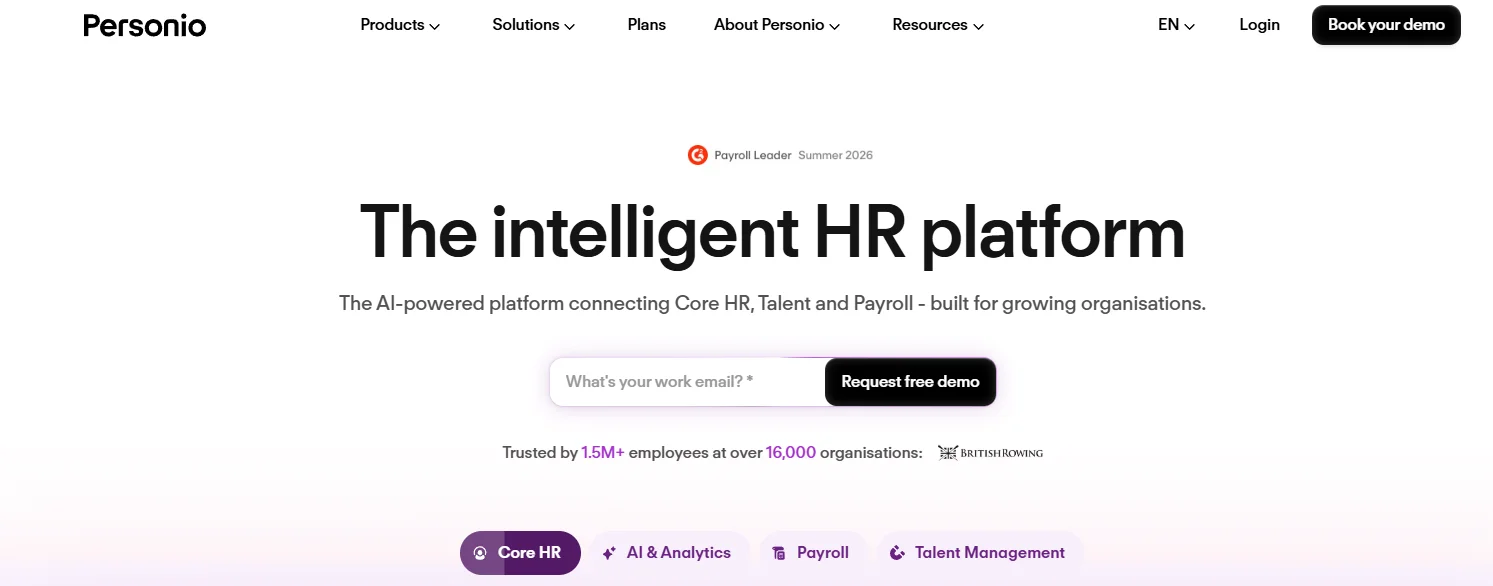
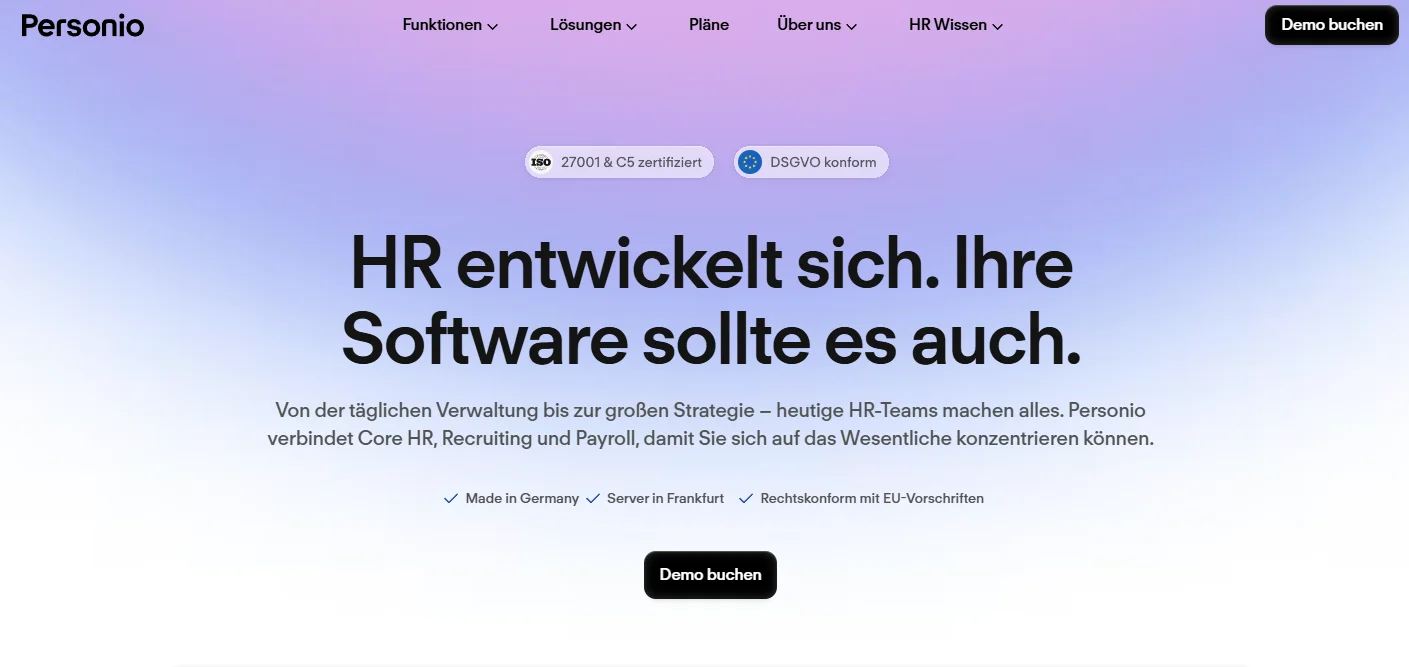
Personio, an HR management software from Germany, aligns with UK expectations. Their UK homepage highlights who they’ve already helped and displays the product’s most important features for existing customers from the UK market. Their emphasis on AI within the tool reflects the UK’s relatively rapid adoption of AI and highlights a feature that resonates with local buyers.
Context matters as much as translation 🔗
I have a colleague who used to work for an international home appliance brand. They sell large appliances and white goods like washing machines, fridges, and vacuum cleaners to customers around the world. For the launch of their new range of washing machines, their team in Italy had created a visual campaign that showed the washing machine placed in a bathroom.
What’s the problem? In the UK washing machines are not in the bathroom: they’re in the kitchen or an utility room. This seemingly small mismatch makes the advert feel unfamiliar and irrelevant to British consumers.
The same issue appears in SaaS when customer-facing context does not reflect local usage. Your customer examples, office environments, and even product screenshots can feel unfamiliar if they don’t reflect how users in that market actually use your product.
💳 Compliance affects customer trust 🔗
Meeting legal requirements is important, but customers judge their experience. Clear communication about payments, fees, and data handling helps prevent compliance issues from becoming trust issues.
A good example is that of Swedish fintech Klarna, which maintains its core product across markets but adapts its service and customer experience to meet local expectations. In the UK, Klarna is best known for its Pay in 3 installment service, reflecting a payment option that British consumers are already familiar with.
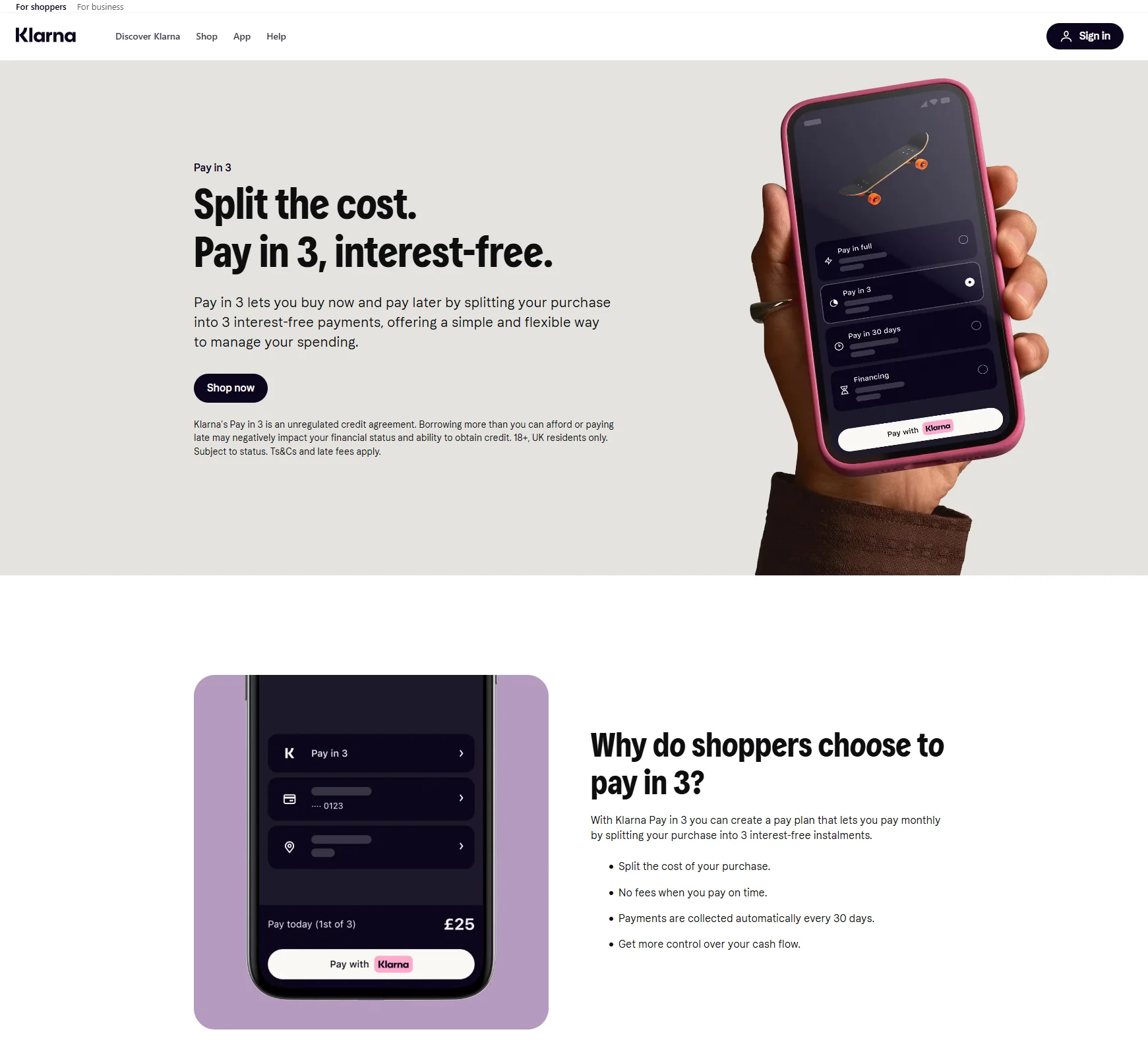
But the overlap goes beyond payments. Regulatory requirements like UK GDPR influence how companies communicate data storage, consent, and third-party processing. Unclear messaging in these areas can create hesitation during signup or onboarding.
VAT and import fees are another area where localization issues become visible. Many EU companies correctly charge VAT at the checkout, but customers can still be surprised when additional import fees appear — especially for physical products. Last year, we had customers caught out by import fees on orders over £135. Although we were complying with post-Brexit VAT rules, customers were frustrated by unexpected charges when their orders arrived. Again: the issue wasn’t compliance, but a mismatch in expectations. SaaS localization is all about these small details that look innocent at first.
🫣 Don’t over-localize your brand 🔗
One of the main mistakes companies make when entering the UK market is assuming they need to “become British”. UK consumers are generally comfortable buying from international brands. What matters more is whether their experience feels consistent, trustworthy, and adapted to local expectations. In SaaS and ecommerce, this usually shows up in pricing, messaging, and UX consistency rather than branding changes.
Swedish music streaming platform Spotify’s UK Premium page is a good example of this. It keeps the same branding, design, and user experience across Spotify’s global markets while adapting details that matter to local customers, such as pricing in pounds and British spelling. Rather than creating a separate UK brand, Spotify localizes the elements that matter to British users while keeping its global identity consistent.
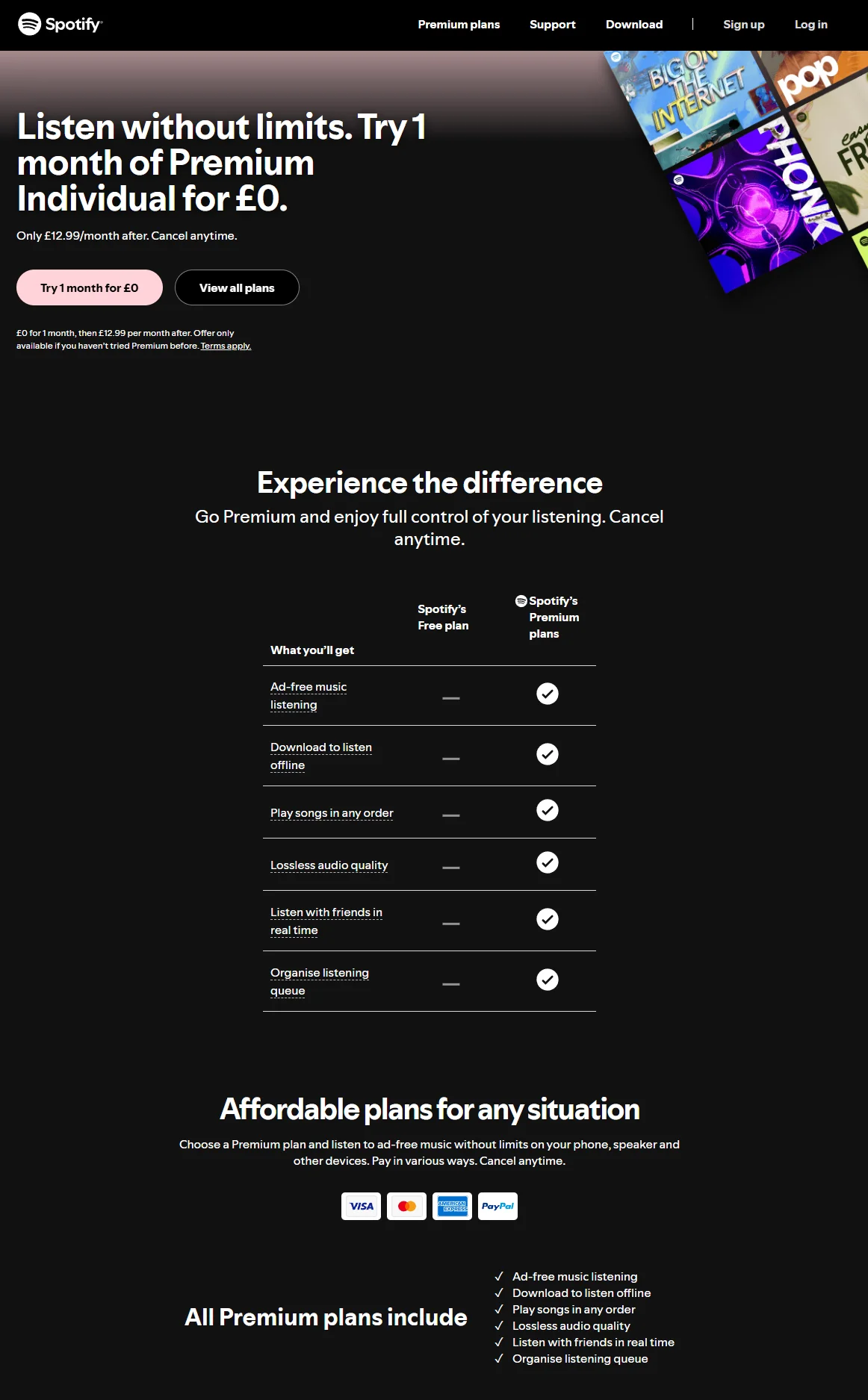
The same idea applies to other SaaS and technology companies entering the UK market. UK buyers don’t expect a different brand identity. They expect a product that reflects local needs.
🤖 AI can help, but with enough context 🔗
It’s getting easier for companies to scale their content quickly using AI-enhanced workflows. However, maintaining consistency gets harder as companies scale. In my experience, companies are using a mix of automation and internal review. Creating and using style guides, glossaries, and translation memories alongside your contextual prompts helps ensure consistency.
Most digital tools can reliably catch the obvious differences in spelling, vocabulary, currency, and date formats. But they don’t catch everything. One of the most effective ways to find these issues is a manual review from a UK user perspective.
If you don't have a UK reviewer on your team, Localazy's human translation services can connect you with one. A language professional who reviews content against your market. And whether it's that reviewer or Localazy AI doing the first pass, the thing that actually prevents mistakes like the Mother's Day email is the same: a detailed style guide. Alongside screenshots and comments, it works well to provide context that will lead to more accurate translations for the UK market.
📘 Recommended: Localazy AI put to the test: Style guides, glossaries, and translation quality across 3 content types

🤝 UK trust is earned through consistency 🔗
The companies that successfully implement localization for the UK market are those that localize for customer expectations and create a consistent experience across every touchpoint. Issues are often only revealed once you review the entire customer journey with local market knowledge.
British consumers don’t expect foreign brands to behave like local ones. They expect clarity, consistency, and signs that the company understands the market it’s operating in. Translating your content and meeting regulatory requirements is important but they don’t automatically make your product feel local. Consistency across every touchpoint is what creates trust in localization.